Electric Scooter vs Electric Bike: Which is Better for UAE Riders?
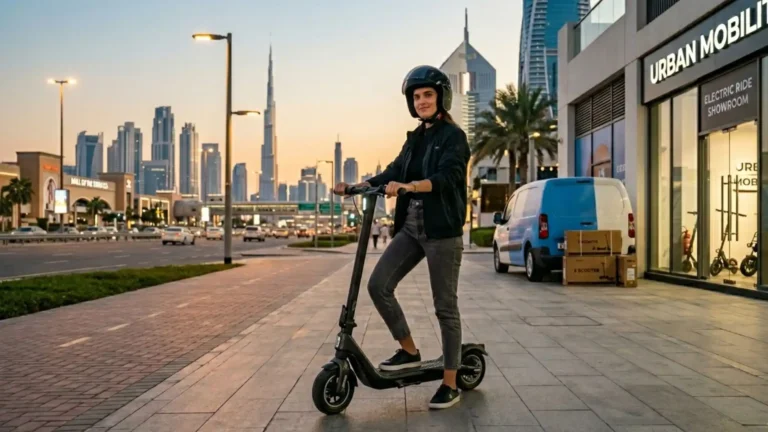
The UAE is quickly becoming a hub for electric mobility, with thousands of riders swapping cars and taxis for two‑wheeled alternatives. Walk through Dubai Marina, cycle along the Abu Dhabi Corniche, or pass through Sharjah University City, and you’ll see a growing number of people on electric scooters and electric bikes.
This shift isn’t just about convenience. It’s driven by initiatives like the Dubai RTA’s e‑scooter permit system, new cycle tracks in Abu Dhabi, and Sharjah’s push for greener transport. Rising fuel costs, heavy traffic, and the UAE’s sustainability goals make the electric scooter vs electric bike debate more relevant than ever.
Both electric scooters and electric bikes are eco‑friendly, and affordable. But they serve different needs. Scooters are lightweight, foldable, and perfect for short city commutes. E‑bikes offer longer range, more comfort, and the ability to carry extra weight.
So, which one fits your lifestyle in the UAE? Let’s compare them side by side — from range and speed to cost, comfort, and regulations — to help you make the right choice.
Electric Scooter Overview
An electric scooter is a compact, battery‑powered two‑wheeler designed for short to medium‑distance travel. Riders stand on a flat deck and control speed using a throttle on the handlebar.
Popular brands available across the UAE include Kugoo, KuKirin, Segway Ninebot, Xiaomi, and Wind Horse. These brands offer a wide range of models — from lightweight foldable scooters for students to high‑performance off‑road scooters for weekend riders.
Pros of Electric Scooters
Portability and Storage: Most scooters weigh between 10–20 kg and fold within seconds. This makes them easy to carry into apartments, offices, or even onto the Dubai Metro. For riders in Sharjah or Ajman, portability is a big advantage in crowded residential areas.
Affordable Entry Point: Prices start from around AED 1,000, making scooters one of the most budget‑friendly electric mobility options in the UAE. Compared to e‑bikes, they offer a lower upfront cost while still delivering reliable performance.
Low Maintenance: With fewer moving parts than bicycles, scooters require less upkeep. No chains, gears, or complex components — just regular battery charging and occasional tire checks.
Fun and Easy to Ride: Many riders describe scooters as playful and intuitive. The upright stance and quick acceleration make them feel agile, especially on smooth tracks like those in Dubai’s Business Bay or Abu Dhabi’s Corniche.
Perfect for Short City Trips: Scooters are ideal for last‑mile connections — such as riding from a metro station to an office in Downtown Dubai or from a dorm to class in Sharjah.
Cons of Electric Scooters
Limited Range: Most scooters cover 15–40 km per charge, which is fine for short commutes but less practical for longer daily rides. Riders in Abu Dhabi suburbs or those commuting between emirates may find this limiting.
Comfort on Rough Roads: With smaller wheels and limited suspension, scooters can feel unstable on uneven surfaces or speed bumps. They perform best on smooth city tracks rather than rougher suburban roads.
Minimal Storage Options: Unlike e‑bikes, scooters don’t come with racks or baskets. Carrying groceries, work bags, or deliveries can be inconvenient unless you wear a backpack.
Standing Position: Long rides can be tiring since most scooters require you to stand. While some models like the Kugoo C1 Plus or Wind Horse T1 include seats, the majority are designed for standing use.
Why Scooters Work Well in the UAE
Electric scooters are especially popular in Dubai and Sharjah because of:
For riders who want a portable, affordable, and fun way to move around the city, electric scooters are often the first choice.
Electric Bike Overview
An electric bike (e‑bike) combines the familiar design of a traditional bicycle with the power of a rechargeable motor and battery. Riders can choose to pedal normally, use pedal‑assist for extra support, or switch to full electric mode for effortless riding.
In the UAE, e‑bikes and electric dirt bikes are gaining popularity among commuters in Dubai, Sharjah, and Abu Dhabi, as well as delivery riders who need longer range and carrying capacity. Popular brands include ENGWE, Fiido, and Wind Horse, known for their durability, comfort, and performance on both city streets and suburban roads.
Pros of Electric Bikes
Extended Range for Daily Commuting: Most e‑bikes cover 40–100+ km per charge, especially when using pedal assist. This makes them ideal for riders traveling longer distances — for example, commuting from Sharjah to Dubai or cycling across Abu Dhabi suburbs.
Comfort on All Terrains: With larger wheels, suspension systems, and a seated riding position, e‑bikes handle rougher roads, speed bumps, and uneven surfaces better than scooters. Riders in Al Ain or Ras Al Khaimah, where roads can vary, benefit from this added stability.
Practical Storage Options: Many e‑bike models allow racks, panniers, or baskets, making them perfect for carrying groceries, work bags, or delivery packages. This is why e‑bikes are widely used by delivery riders in Dubai and Abu Dhabi.
Versatility for Different Lifestyles: E‑bikes are not just for commuting. They double as fitness tools (pedal when you want exercise, switch to motor when you don’t) and are also popular for leisure rides along the Abu Dhabi Corniche or Dubai’s cycling tracks in Nad Al Sheba.
Eco‑Friendly Alternative: By replacing short car trips with an e‑bike, riders reduce emissions and support the UAE’s sustainability goals. This aligns with the country’s Net Zero 2050 initiative.
Cons of Electric Bikes
Higher Price Point: Quality e‑bikes usually cost AED 3,000–8,000+, which is significantly more than most scooters. While the investment pays off for daily commuters, it may feel steep for casual riders.
Heavier and Less Portable: Weighing 20–30+ kg, e‑bikes are harder to carry upstairs or store in small apartments. Unlike scooters, they don’t fold easily, which can be a challenge in compact living spaces in Dubai Marina or Sharjah apartments.
More Maintenance Required: With gears, chains, brakes, and more moving parts, e‑bikes require regular servicing. Riders need to budget for tune‑ups, tire replacements, and brake adjustments — especially if they use the bike daily for commuting or delivery.
Why E‑Bikes Work Well in the UAE
E‑bikes are especially popular in the UAE for:
For riders who want comfort, range, and practicality, e‑bikes are often the smarter choice compared to scooters.
Electric Scooter Vs Electric Bike – Which One is Better for You?
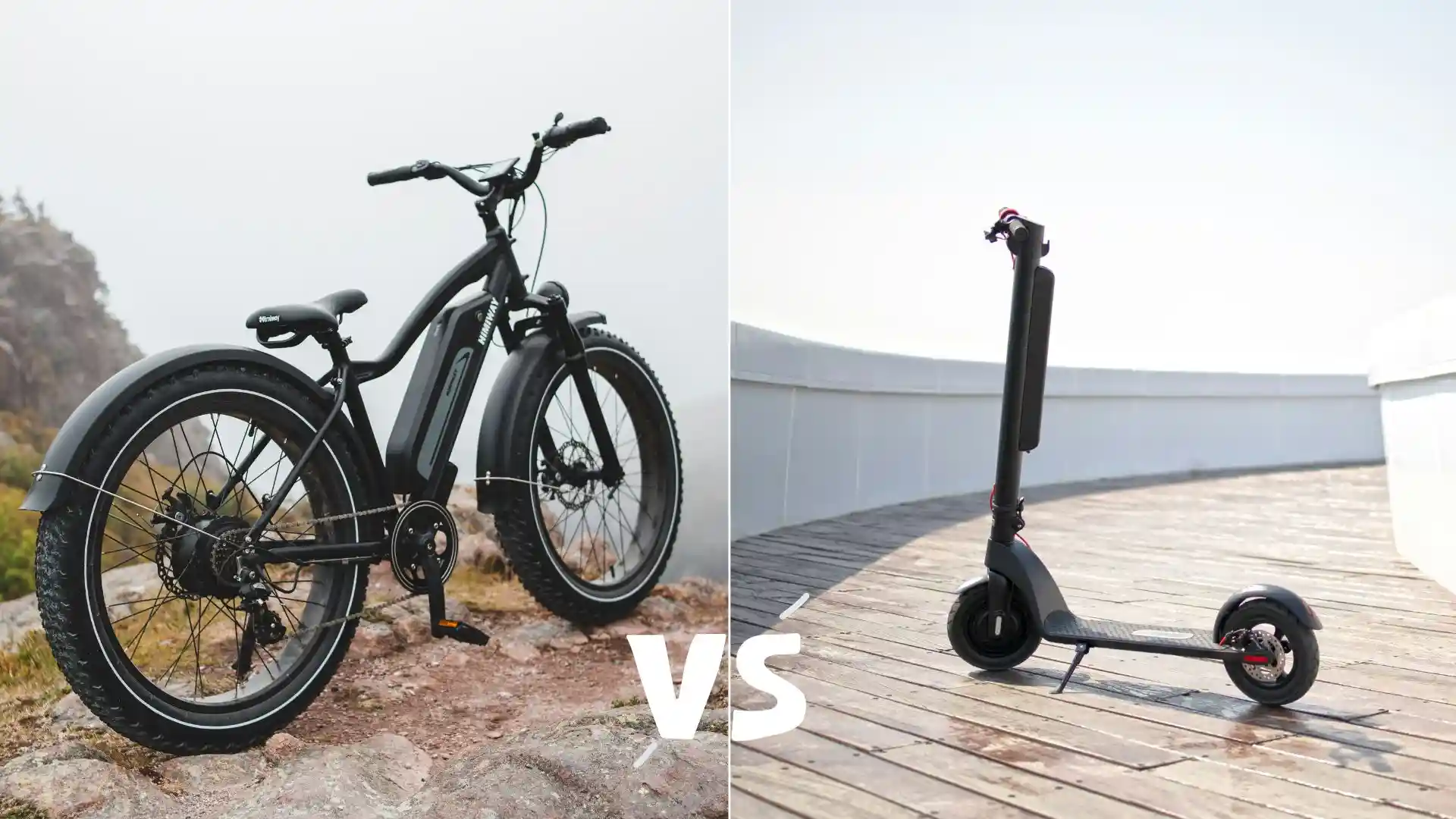
When it comes to choosing an electric scooter vs electric bike, the right choice depends on your lifestyle.
| Feature | Electric Scooter | Electric Bike |
|---|---|---|
| Range | 15–40 km per charge | 40–100+ km per charge (with pedal assist) |
| Speed | 20–30 km/h (average) | 25–45+ km/h (depending on model) |
| Comfort | Best on smooth roads; standing position can be tiring | Larger wheels, suspension, and seated riding make them stable |
| Portability | Lightweight (10–20 kg), foldable, easy to carry into metro/apartments | Heavier (20–30+ kg), bulkier, not easily foldable |
| Maintenance | Low — fewer moving parts | Moderate — gears, chains, and brakes need servicing |
| Storage | Minimal — usually backpack only | Racks, panniers, and baskets available |
| Best For | Short city trips, students, last‑mile commuting | Longer commutes, delivery riders, families, fitness, leisure |
| UAE Brands | Kugoo, KuKirin, Segway Ninebot, Xiaomi, Wind Horse | ENGWE, Fiido, Wind Horse |
Electric Scooters
Scooters suit students, young professionals, and anyone who values portability, affordability, and quick city rides.
Electric Bikes
E‑bikes suit daily commuters, delivery riders, families, and anyone who needs comfort, range, and cargo capacity.
The Bottom Line:
Choose an electric scooter if you want something light, affordable, and easy to store — perfect for short city rides and last‑mile connections.
Choose an electric bike if you need longer range, more comfort, and the ability to carry extra weight — ideal for daily commuting, suburban travel, or delivery work.
Both options align with the UAE’s sustainability goals and growing network of cycle tracks, so the decision comes down to your lifestyle, budget, and daily travel distance.
FAQs
Summary
Electric scooters and electric bikes are both smart, eco-friendly ways to travel in the UAE. Scooters are cheaper, lighter, and great for short city rides, while e-bikes offer more comfort, longer range, and better options for carrying weight. The best choice depends on your needs — pick an electric scooter for quick urban commutes or an electric bike for longer, more comfortable trips. Both support the UAE’s vision for cleaner and more sustainable transport.